
10 minute read
The film, The Wolf of Wall Street, was almost never made because Martin Scorsese envisioned an extremely explicit, uncensored adaption of Jordan Belfort’s memoir (2007), and Warner Bros did not believe in the commercial viability of such a vulgar, “cocaine on a stripper’s ass” vision. Due to these creative disagreements, Scorsese and DiCaprio went off to make Shutter Island (2010) instead. The Wolf of Wall Street project sat in development limbo for several years, then the deal with Warner Bros. fell through.
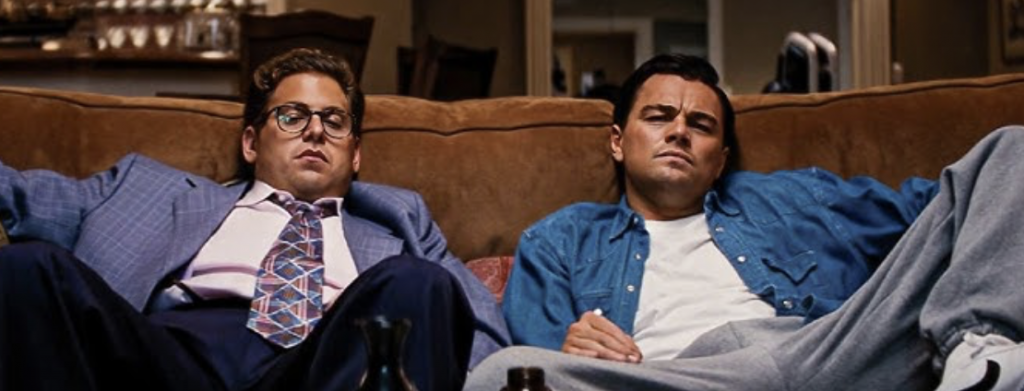
Around 2010-2012, an independent financier/new production company, Red Granite Pictures came to the rescue. They acquired the rights and agreed to finance the movie without demanding content restrictions, allowing Scorsese to create the 3-hour, hard-R version that he wanted. Jonah Hill snorted so much crushed vitamin B during filming (instead of cocaine) that he developed bronchitis and wound up hospitalized. Art is everything.
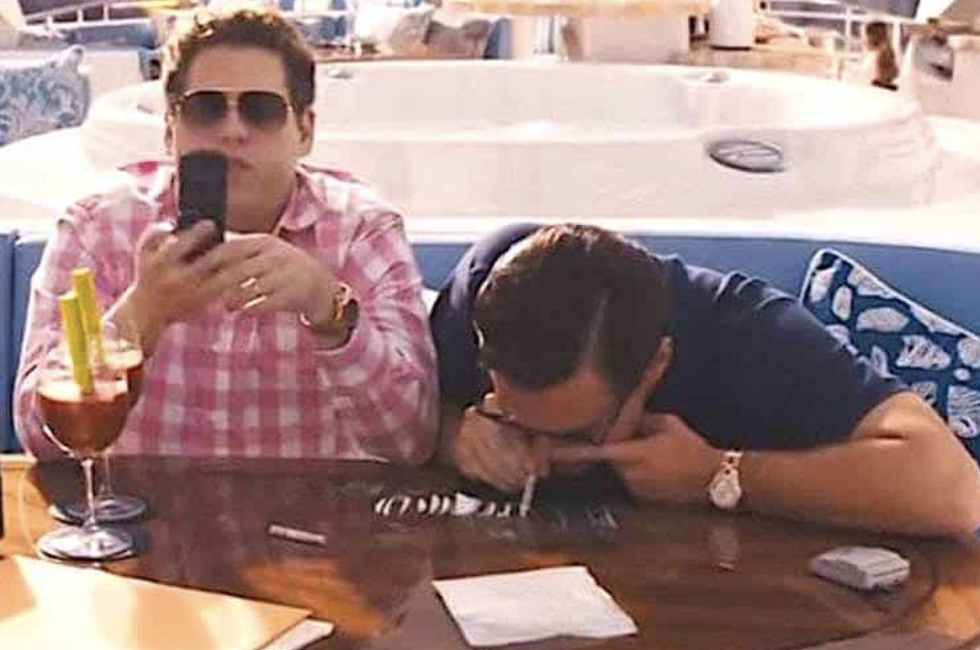
Critics were angered by the film’s glorification of Belfort’s debauched life and crimes. Red Granite, who made such a vulgar, unabashed version possible, was founded by Riza Aziz, who was funded by Jho Low. Jho received a “Special Thanks” in the credits and was a partying, sycophant pal of DiCaprio. To fund the film, Low used money that he was siphoning from a Malaysian government development fund…
The irony of a movie that was supposed to be a “morality tale” (according to its supporters), “an analysis of a man gone awry” (according to DiCaprio), a dissection of the excesses of Wall Street, being funded by a global scammer stealing billions from a state investment fund…is almost too much to swallow.
Jordan Belfort, in an interview in 2022, admitted that he had his suspicions of Red Granite Pictures: “…not that the money was stolen, but that they were milking it from Arab Sheiks…I thought they were taking Daddy’s…the people’s money and spending it like wild banshees…this guy Jho Low, he spent $7 million on Paris Hilton’s birthday party.” Jordan wasn’t far off in his gut-analysis.
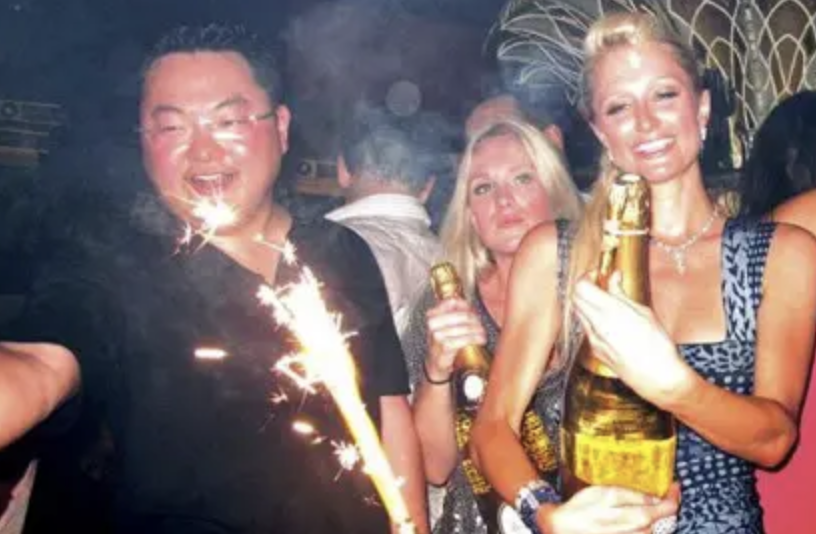
“The reason why I knew the money was stolen, or something was up, is that when I showed up to the launch party for The Wolf of Wall Street…before the movie was even filmed, there was this party, a $10 million party…I said to my then-wife…’I promise you this is not gonna end well’…she said ‘Why’…’No one would spend this much money without doing the work for it.'”
Turns out that The Wolf of Wall Street was financially successful, grossing $407 million on a $100 million budget, even though it was banned in Malaysia and Nepal. In 2020, Belfort filed a lawsuit that accused Red Granite of fraud, alleging that he’d been unaware of the illegal source of the film’s funding. He requested to be released from his contract with the company. Frauds suing frauds for making a movie about a fraud with money from a fraud. Is it turtles and frauds all the way down?
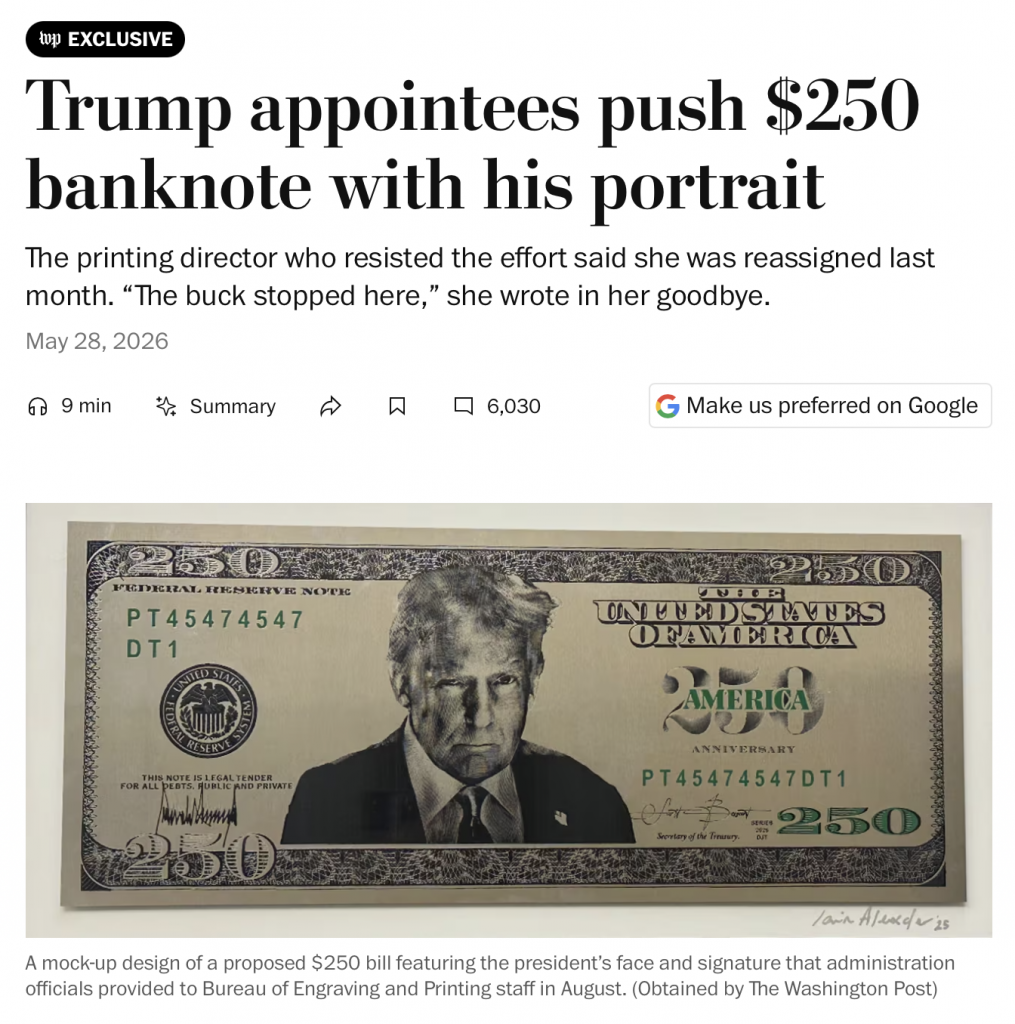
So how did Jho Low finance this raunchy, reprehensible Wall Street film about an ambitious scumbag and steal billions from a Malaysian government fund to party like a drunken rock star? If you’d like the full story, I highly recommend the book Billion Dollar Whale. The short and sweet version (or rather: quick and dirty) is below. What sparked this essay is that last month Jho Low, who is currently a fugitive in China, sought pardon from Donald Trump for his crimes. If he is pardoned, we most certainly have entered the financial dark ages, in which a president also proposes to the government to put his face on a $250 dollar bill.
*
Jho Low grew up wealthy in Malaysia, but not uber wealthy, which his ambition craved. He was the youngest of three children and attended the elite Harrow School in London. He was socially timid, smart, and liked to throw parties. While in London he became close with Riza Aziz, the stepson of the Malaysian politician, Najib Razak. He was accepted to the Wharton School of Business.
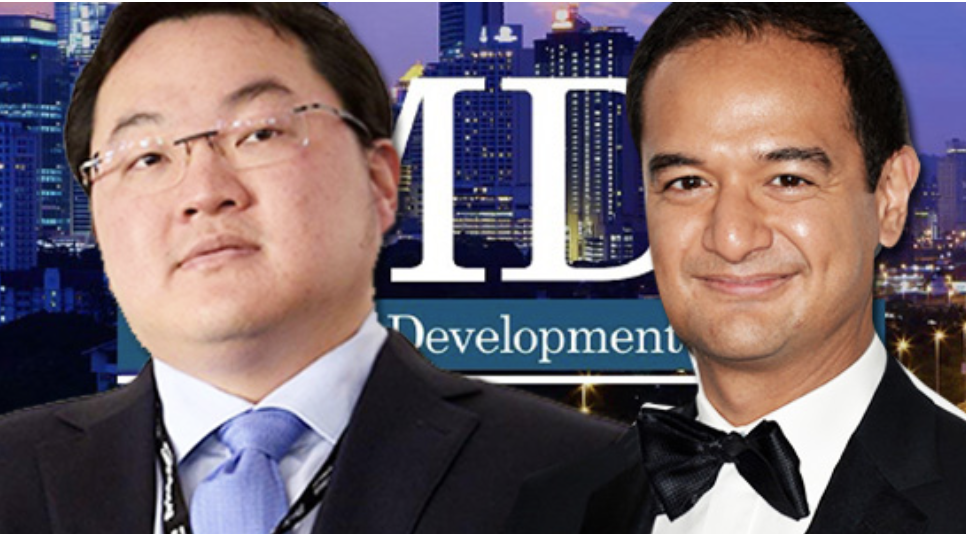
At UPenn Wharton’s School of Business he threw lavish parties (once a $20k birthday party) and made more connections. He was introduced to Arab oil wealth in his late-youth, which was not only whet his appetite for extravagant luxury, but opened his eyes to the concept of the sovereign wealth fund.
A sovereign wealth fund is a state-owned investment fund that invests a country’s surplus wealth in assets such as stocks, bonds, real estate, infrastructure, ski trips for Paris Hilton, Basquiat paintings for DiCaprio, private equity, venture capital, etc. The idea is that this “surplus wealth” is often in the form of “vast, finite resources” in the ground like oil. The first sovereign wealth fund is generally considered to be the the Kuwait Investment Authority, established in 1952. Obviously, oil can’t be sold indefinitely, and prices fluctuate, so rather than steadily, unpredictably pile up cash from selling oil, investment funds engage in financial ventures with the money they get from oil, or could get from the oil, that will hopefully still have value even when the oil is gone.
Two, key points: 1) sovereign wealth funds are generally considered trustworthy, since they are backed by governments with oil, land, resources, power etc. 2) These sovereign wealth funds can issue debt, meaning they can receive cash from banks and companies now with the promise that they’ll pay back more cash later (once they mine the resources, for example).
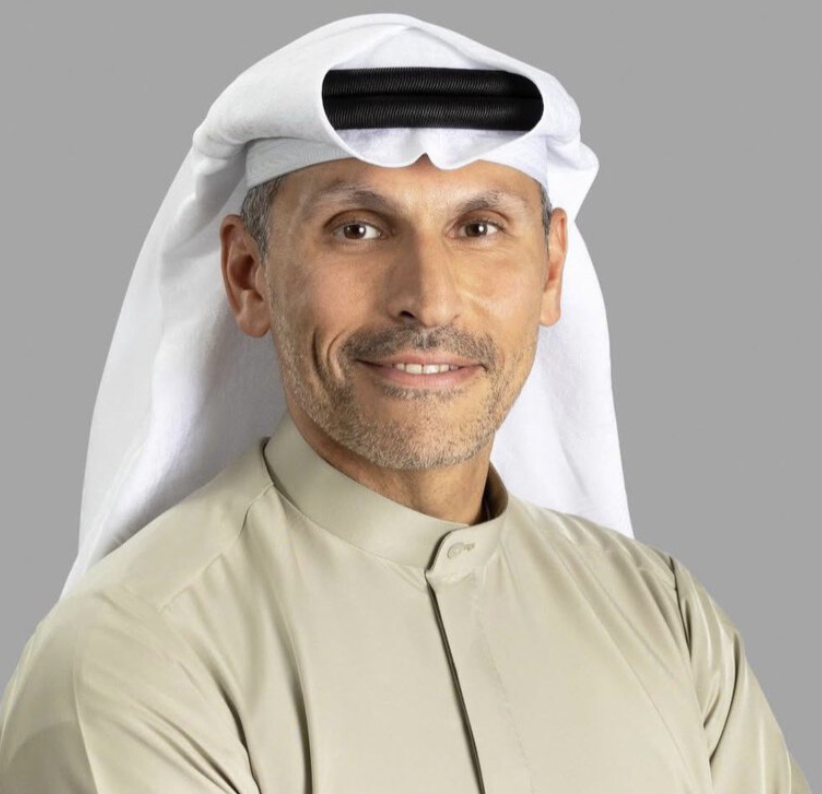
Jho Low REALLY liked the concept of the sovereign wealth fund. He was always aware of (and distantly connected to) the power and status of Khaldoon Al Mubarak of Mubadala, who ran the Emirati sovereign wealth fund.
Jho also understood international finance deeply, its loop holes and shady back alleys. He knew the possibilities of shifting cash from a poorly controlled state fund…and how to divert it into the opaque corners of the an under policed, global financial system. Fun estimated fact: it is believed that money stashed in offshore financial centers since 1970 is about $32 trillion, a number equal to the combined economies of the United States and China.
Basically, Jho would orchestrate the creation of a Malaysian sovereign wealth fund and channel money from it into offshore accounts.
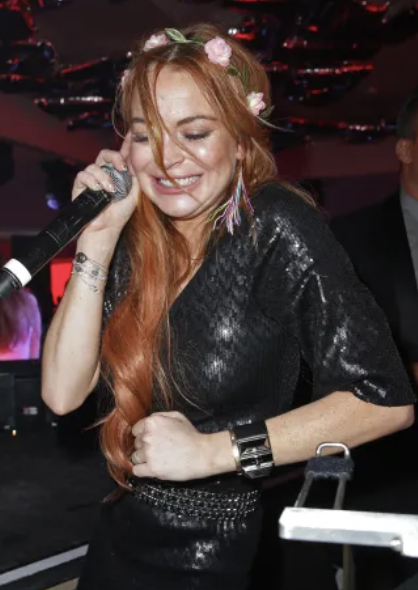
Luxury Reveal: Between October 2008 and June 2010, Jho Low spent $85 million partying. That’s averaging about $350,000 a day. He was paying $100,000/month for rent, once had a $160,000 bar bill at Avenue, a club in New York’s Chelsea district, bought Lindsey Lohan 23 bottles of Cristal, flew private jets, bought super-yachts, etc. In late 2009 he had more access to liquid cash than anyone on earth.
How? How does one “create” a sovereign wealth fund and sneakily steal billions from it? Here’s how in 20, simple steps:
1.) Jho Low forms relationships with rich and connected Arabs in college. During a semester off, he goes to Kuwait with his friend, Hamas Al Wazzan (son of a Kuwaiti construction and energy magnate), who sets up meetings with business people and minor royals. When Jho is 22, he has a fateful lunch with Yousef Al Otaiba, a foreign policy advisor to the United Arab Emirates sheiks, and this connection changes his life. People see in Jho a dealmaker, a mover-and-shaker with flexible morals. Image is everything.
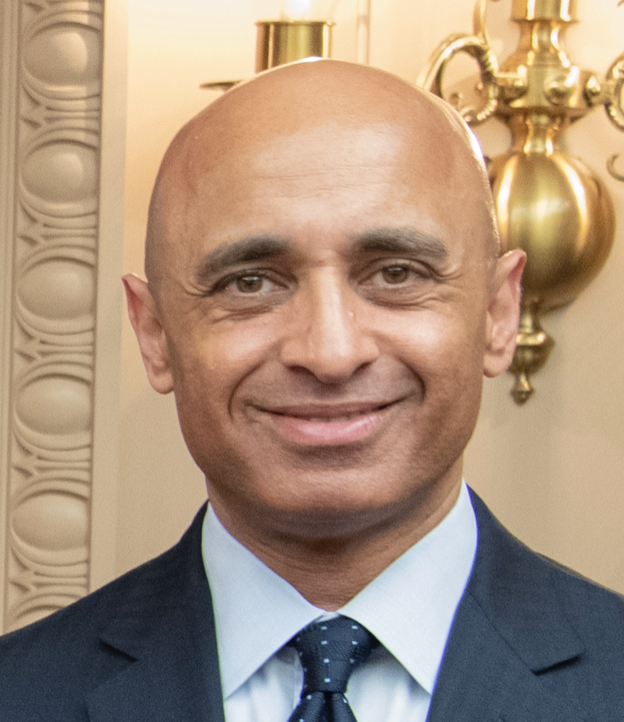
2) He brokers/makes a deal happen between Arabs (specifically: Mubadala) and a giant Malaysian Iskandar land development project. He does this by writing to Otaiba (“Otaiba’s name card is the only one you need in Abu Dhabi,” Low once joked). Mubadala signs a contract to invest half a billion dollars in a Johor project of five-star hotels, residences, and a “golf village.”
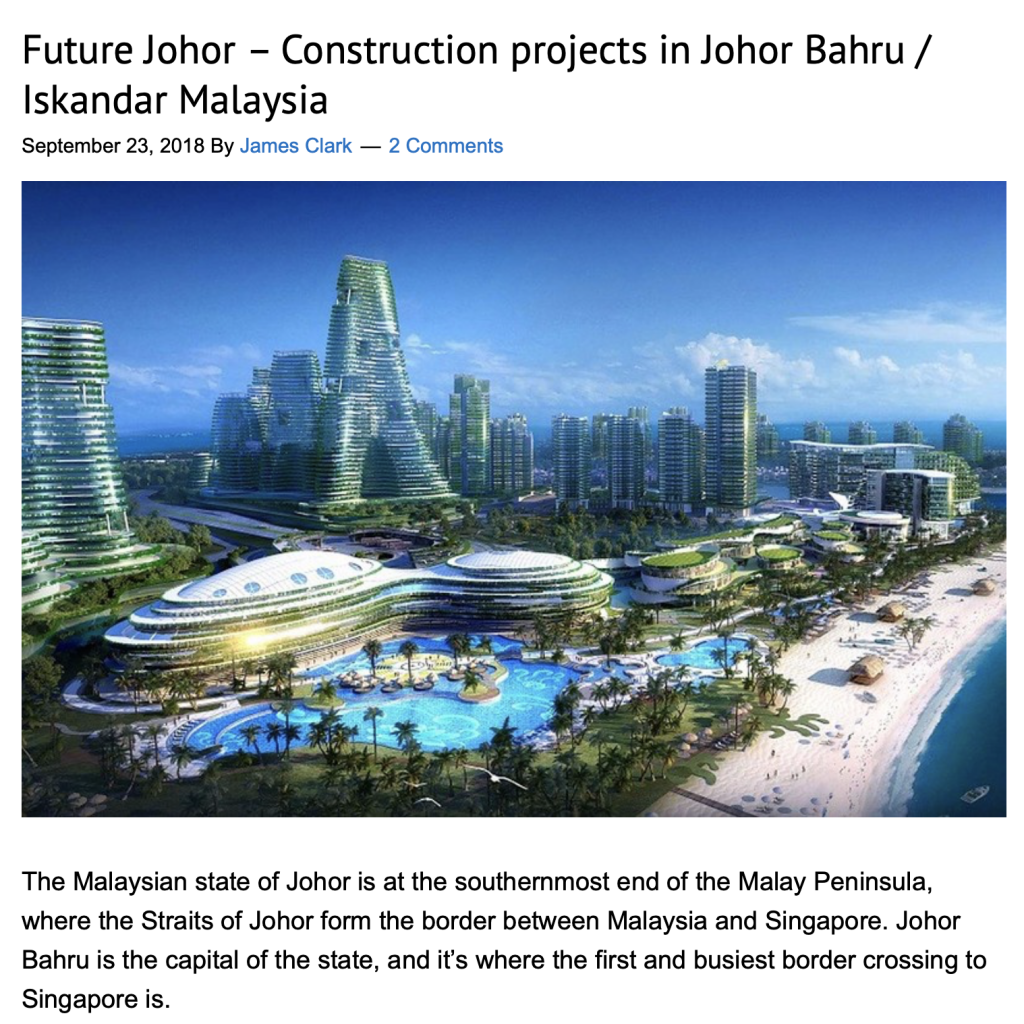
Jho doesn’t make as much money as he hoped for making this deal happen. The deal is too clean and he is too inexperienced. But this deal is a pivotal moment for him, since it makes him seem impressive in the eyes of Riza’s politically-connected stepfather: Najib Razak. He lets Najib take credit for the deal. Another smart move.
Fraud Lesson #1: The most extravagant fraudsters almost always have a legitimate deal in their past, something that gives them credibility to make risky, nefarious moves later in their careers.
Najib Razak is “fascinated” by the Gulf, where leaders enjoy lives of incredible luxury. Soon after the deal, Jho flies to London to attend Najib’s daughter’s high school graduation party.
Fraud Lesson #2: Frauds foster their powerful connections.
3) Amidst the buzz of the Iskandar land development project, Low hears of two Malaysian construction companies for sale. Maybe he could buy them cheaply and win contracts for the Iskandar land development? But he needs millions and is still a nobody in the eyes of the banks. So he creates companies that LOOK like they are a part of an Arab investment fund. Low sets up a British Virgin Islands company called the Abu Dhabi-Kuwait-Malaysia Investment Company and gives free shares to his friends/contacts Ambassador Otaiba and minor aristocrats from Kuwait and Malaysia. Note: Jho’s father and sister are both experts at creating offshore accounts. His sister, Low May-Lin, was even a solicitor of the Supreme Court of the British Virgin Islands.
4) Receives loans from Malaysian banks for this Arab-look-alike company so he can spend millions of dollars to buy the two construction companies that are for sale.
5) Sets up two shell companies (empty companies with just a name) called the ADIA Investment Corporation and KIA Investment Corporation. They both appear to be related to the Abu Dhabi Investment Authority, or ADIA, and Kuwait Investment Authority, or KIA, two of the most famous, multi-billion-dollar sovereign wealth funds in the world. But they are more look-alike companies, with no links to Abu Dhabi or Kuwait.
6) Have these look-alike offshore companies take minority stakes in the Malaysian construction firms that Low has just bought. Now it seems, to anyone doing due diligence/checking the legality of a company, that royals from Kuwait and Malaysia, as well as Ambassador Otaiba, AND two sovereign wealth funds, are Low’s partners in plans to develop the Iskandar project. Image is still everything.
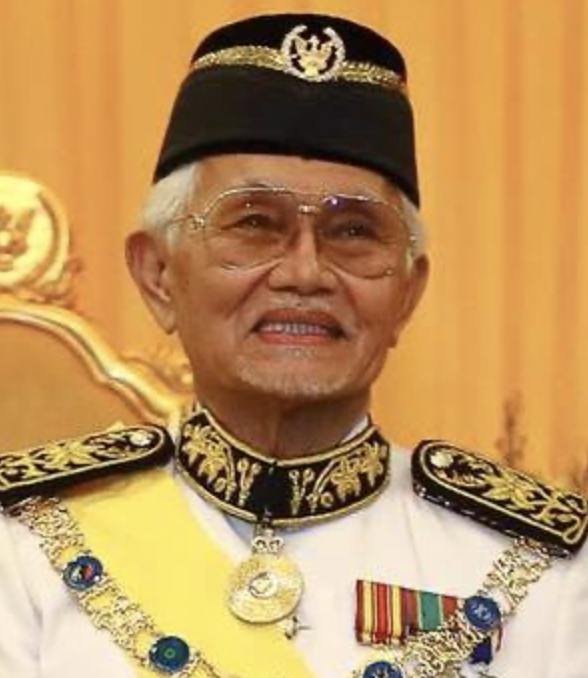
7) Go fishing for more money. Find a rich but financially naive businessman to buy the companies, contracts, and land. Persuade this chief minister of a remote, jungle-covered Malaysian island, Taib Mahmud (71-years-old), to buy the construction companies and the Iskandar land. To Taib Mahmud, buying these companies seems like a safe bet because they are backed by Middle-Eastern wealth and have government contracts.
8) After flipping the construction companies (and bragging to friends that he netted $110 million in profit, buying a black Ferrari and taking the new toy for joy rides around Kuala Lumpur), Jho convinces a man named Sultan Mizan Zainal Abidin (through Mizan’s sister, who is on the board of the construction companies), to set up a sovereign wealth fund. This is Jho’s ultimate dream. The sovereign wealth fund will be based on Abu Dhabi’s sovereign wealth fund, which borrows money against the state’s oil wealth. It will be called the Terengganu investment authority. Low had previously offered Mizan free shares in the Abu-Dhabi-Kuwait-Malaysia Investment Company.
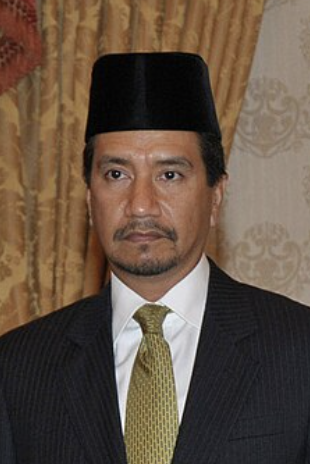
9) But how could Mizan, the sultan of Terengganu, set up a sovereign wealth fund and borrow money against the state’s oil wealth with the help of a young, nobody Malaysian? Enter Tim Leissner, a 39-year-old, ambitious, morally-flexible Goldman Sachs investment banker trying to expand operations in the South-East:
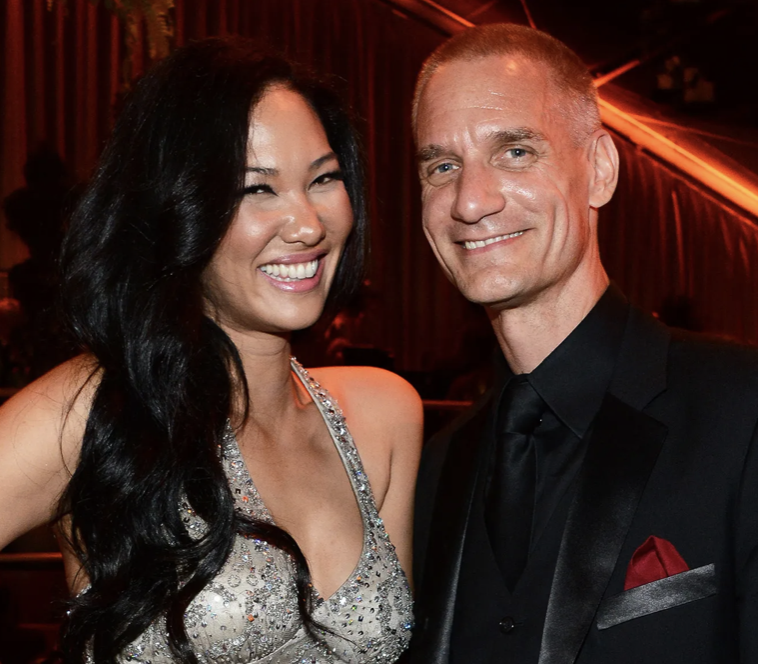
A rising star, head of investment banking in Southeast Asia, Tim Leissner (whose colleagues remarked never operated within boundaries) is introduced to Mizan by Jho Low. Leissner had met Low through Roger Ng, a well-connected local banker at Goldman (Jho’s older brother worked for Goldman, which is likely how Jho became connected to Ng). Tim told his friends that he found Low “dodgy.”
10) Tim and Goldman set up the Terengganu Investment Authority, for a fee of $300,000. Terengganu is rich in offshore oil and gas fields. Having Goldman involved gives an air of legitimacy to the project and promises the future raising of enormous capital.
11) Low convinces Mizan to issue $1.4 billion in Islamic bonds (meaning no interest on the bonds, since interest violates Islamic rules), backed by the state’s future oil receipts.
Uh-oh…Mizan doesn’t like this. He is worried about gambling away the state’s oil wealth. He threatens to shut down the whole project. He hears rumors in banking circles that Low has stolen some of the bond money.
A saving grace arrives…
12) Jho watches his close friend, Riza Aziz’s stepdad, Najib Razak, become elected the 6th prime minister of Malaysia in April 2009. In the first weeks of the new administration, Low is an unofficial aid to Najib.
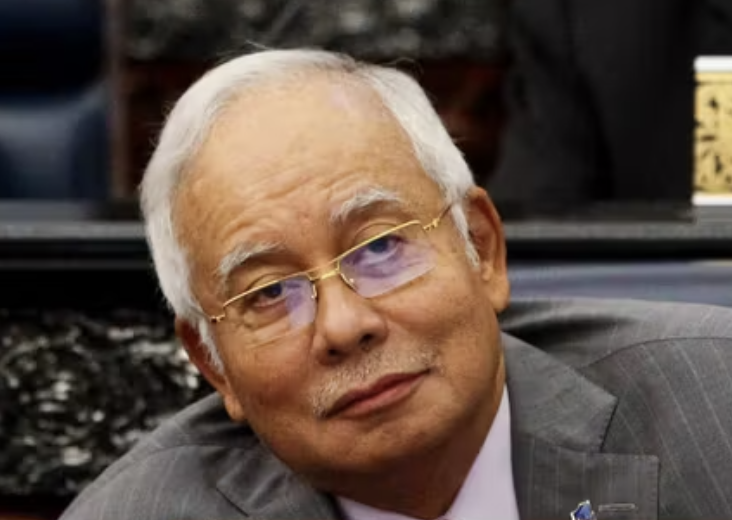
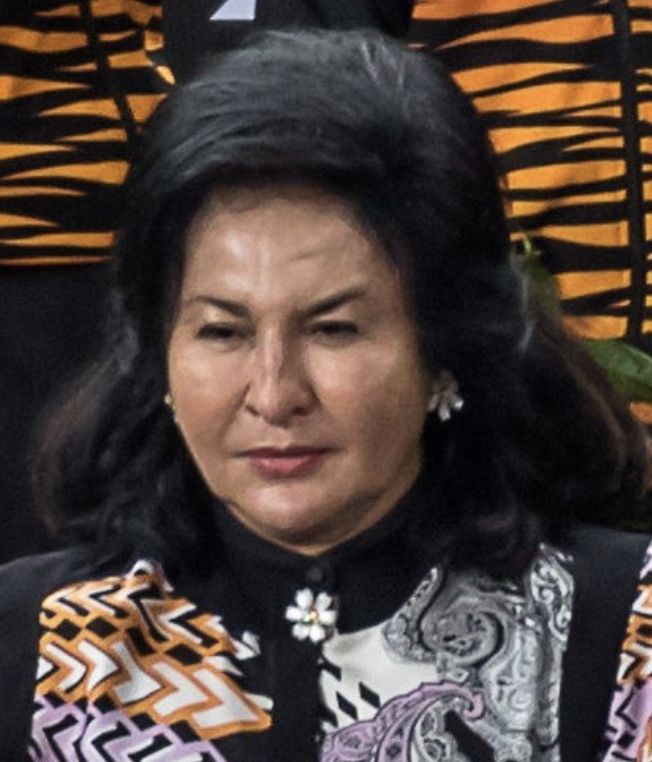
Note: Najib is not only naive, and doesn’t look into the details of things, but is quite corrupt. He has “grand ambitions to turn Malaysia into a developed nation within a few years,” and knows that his country needs capital. Low promises to provide this capital through his “Arab friends” and through the Goldman-stamped Terengganu Investment Authority.
Fraud Lesson #3: Have a radar for corrupt individuals.
13) Two months after his election, Najib announces the creation of 1MDB, a new Malaysian sovereign wealth fund in June of 2009. The 1MDB fund is simply the Terengganu Investment Authority transformed into a federal entity. The 1MDB fund will have to repay the bonds. 1MDB is about to raise a TON of capital between 2012-2013, thanks to Goldman Sachs.
Note: The 1MDB fund is supposed to invest in green energy and tourism to create high-quality jobs for all Malaysians. But Jho also convinces Najib that, in addition to attracting Middle East money and borrowed money from global markets, this fund can be a political war chest, in which Najib can use it to pay off political supporters and voters, restoring his party’s popularity.
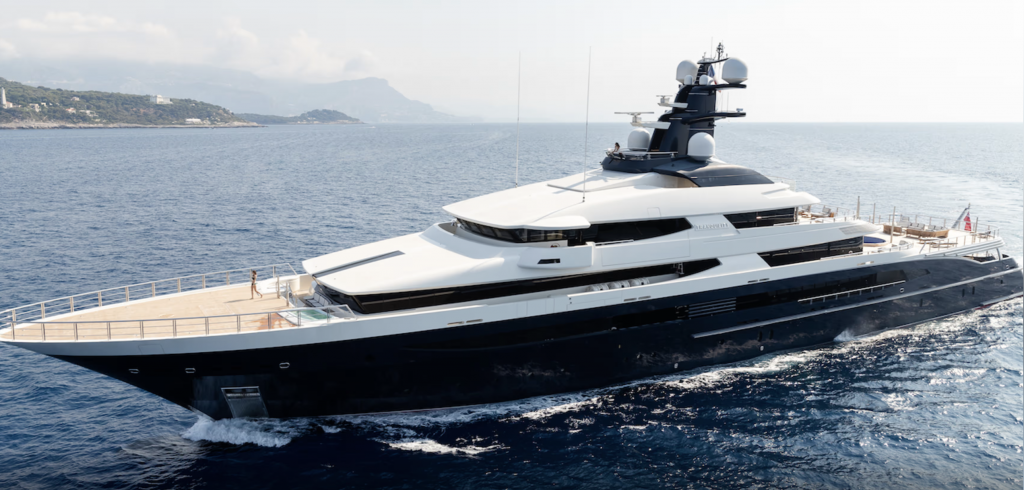
14) In August of 2009, Jho takes Najib and his wife on a yacht off the coast of the French Riviera (quickly arranging the meeting through his connection with Ambassador Otaiba), where Najib is under the impression that the yacht belongs to Prince Turki Bin Abdullah, the son of Saudi Arabia’s king, Abdullah Abdulaziz Al Said. The yacht is rented ($500,000/week) and the whole meeting is a staged show.
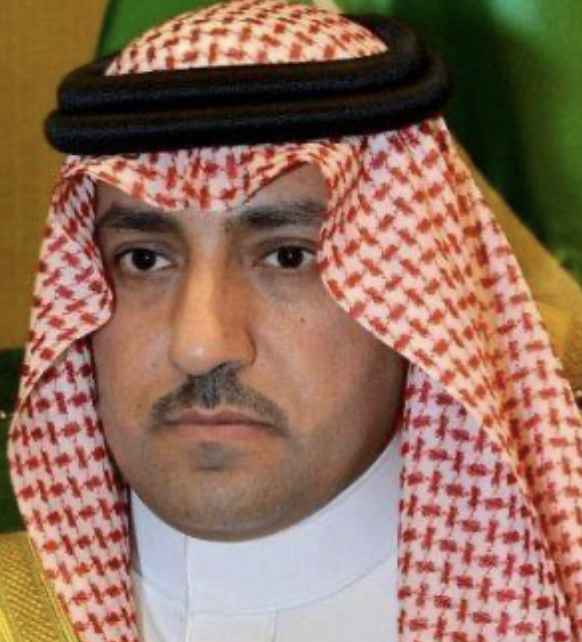
Note: Turki is 1/20 sons of his father, Saudi Arabia’s king, and has a precarious financial situation. He has set up PetroSaudi International, an oil exploration firm, in an attempt to leverage his royal connections. This company is little more than a shell. On the yacht trip, Prince Turki and Najib discuss the possibility of PetroSaudi partnering with the new 1MDB fund.
15) Soon after the fake yacht schmoozing, on official Saudi government letterhead, Turki proposes a “potential business combination” with 1MDB. The plan is for PetroSaudi to put its oil assets (supposedly rights to develop fields in Argentina and Turkmenistan, worth $2.5 billion) into a joint venture. 1MDB, would contribute $1 billion in CASH (which came from the issuing of the Islamic bonds).
16) Now how to make PetroSaudi look legitimate when it’s actually just a shell? This shell is basically run by three, immoral men: Prince Turki, his partner Tarek Obaid, and the British banker Patrick Mahony.
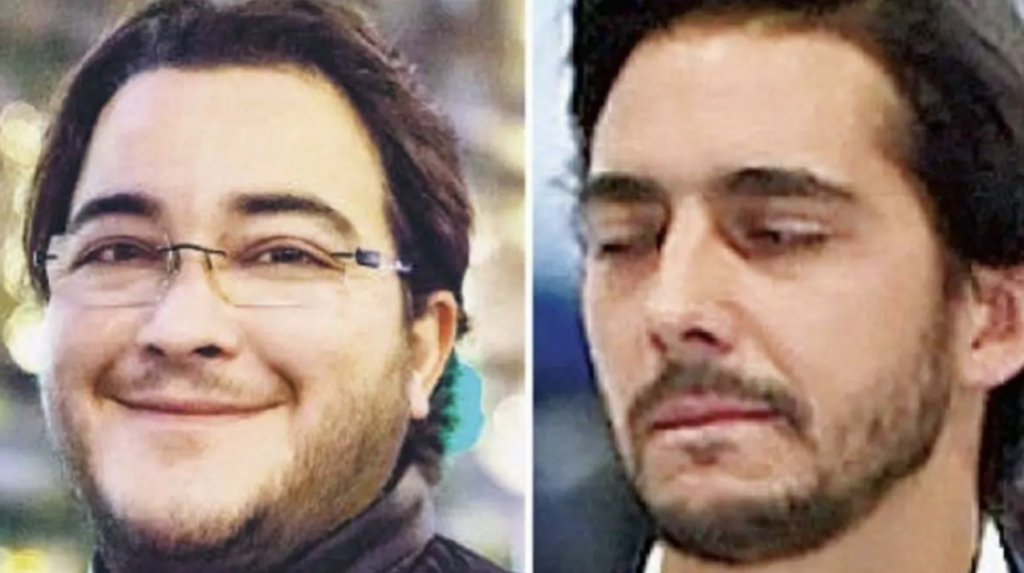
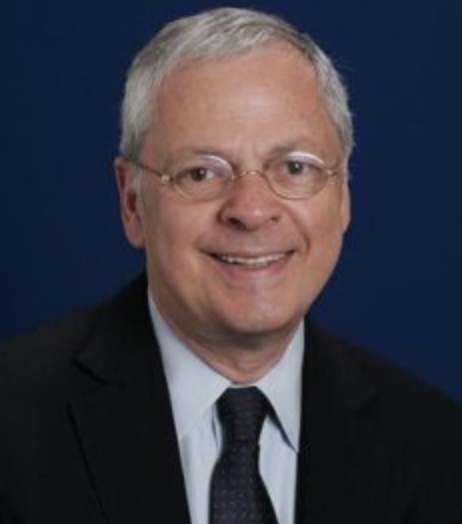
To make their business legitimate, they pay Edward Morse, a former senior U.S. State Department official and energy analyst at Lehman Brothers, $100,000 (!!!) to conduct an “independent valuation” of PetroSaudi’s assets, which 1MDB’s board had requested before the fund sends its $1 billion investment. Mahony tells Morse he is seeking a valuation of $2.5 billion. ‘Ok. Got it!’ Morse replies. Morse completes his valuation in 2 days, a “technical analysis” of reserves and prices based on numbers that PetroSaudi has provided. His valuation gives a range that went up to $3.6 billion. Surprise surprise.
17) In a presentation to 1MDB, PetroSaudi mentions a strange payment of $700 million that the joint venture will make back to PetroSaudi. The payment is supposedly to repay a loan that PetroSaudi has given to the joint venture. This repayment is strange because it is impossible for the loan to have existed; the joint venture hasn’t even been set up yet and doesn’t have a bank account. Nobody (outside the profiting inner circle) seems to notice this…finance is complicated and these guys seem confident.
18) On September 26, 2009, 1MDB’s new board meet in Kuala Lumpur to approve the $1 billion transfer from the fund to the Swiss bank account set up for the join venture with PetroSaudi.
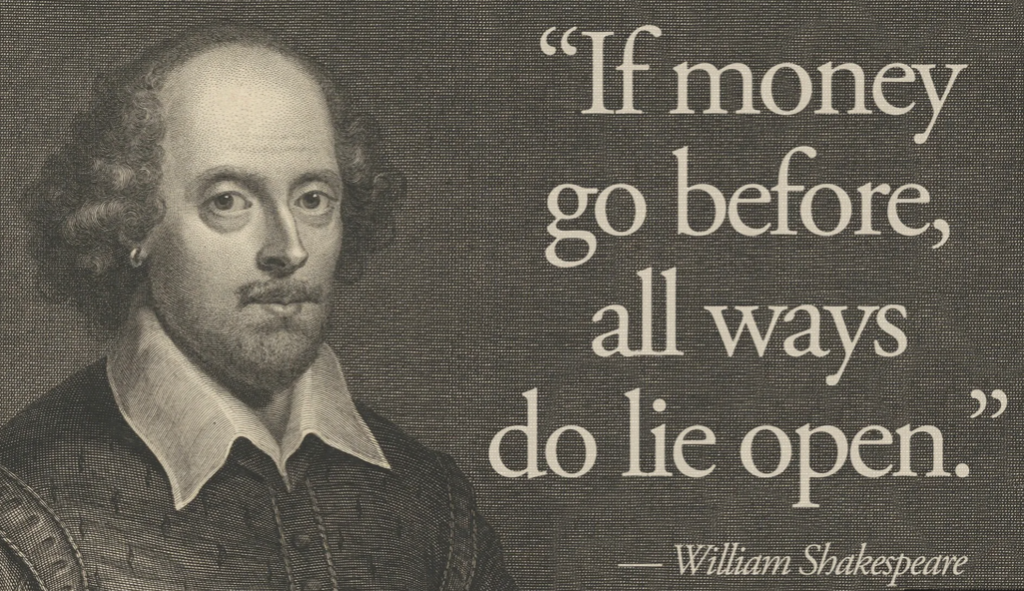
(Great passage from Billion Dollar Whale: “In the space of a month, since Prince Turki had written Najib with his proposal in late August, a multi-billion-dollar joint-venture agreement had been completed. Such a time frame – to complete due diligence, asset valuations, and other legal checks – was virtually without parallel. Such deals normally take months, if not a year, to wrap up. A 1MDB employee later compared the process to attempting to read the entire works of Shakespeare in an hour.”)
19) Send $700 million from 1MDB to a mysterious account at Coutts in Zurich. Two days later, an employee from Coutt’s regulatory risk department in Zurich sends an urgent email to 1MDB. The employee didn’t know why the full name of the beneficiary of the $700 million transfer, which is required on bank-transfer requests, was omitted. The 1MDB’s fund executive acknowledged that the “mysterious account” was owned by a Seychelles company called Good Star Ltd. Good Star is owned 100% by PetroSaudi International Ltd., so don’t worry about it! Good Star has a single share. It is held by Jho Low.
20) Party
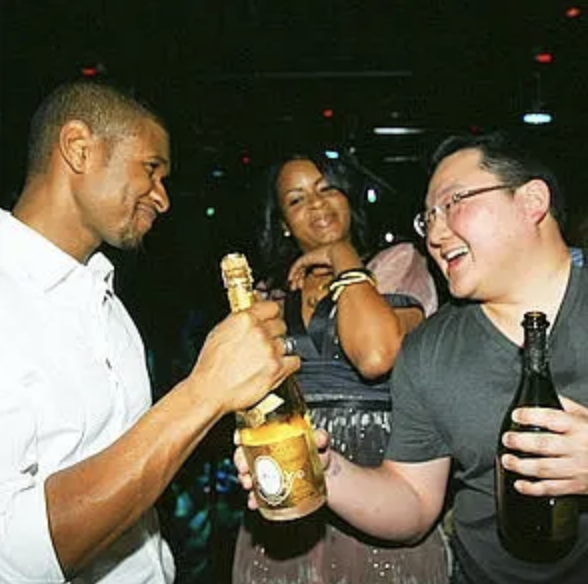
Epilogue: It’s easy, in these types of financial-scam stories, to get lost in the numbers and transactions. So let’s get lost a bit more: Once Low had $700 million cash at his fingertips, he paid $85 million to Tarek Obaid. Three months later he paid Obaid another $68 million. Obaid paid $33 million to Mahony and $77 million to Prince Turki. Low flew to Vegas, first class, three weeks after raking in the cash and went on a spending frenzy. In May of 2012 Goldman raised $1.75 billion for 1MDB by issuing bonds that it sold to investors. In October 2012 there was another $1.75 billion dollar deal. In March of 2013, $3 billion was raised (a significant portion of this was diverted).
So where did all of this money exactly come from? Whose money, raised by Goldman Sachs, was Jho spending?
Answer: The future, financial opportunities of the Malaysian people. All the Malaysian banks and financial institutions that gave billions to 1MBD lost their money when 1MBD failed to pay back the loans and bonds. Not only did they lose these enormous sums of money (which could have been given to real business projects that improved the lives of the Malaysian people) but they likely became much more risk-averse. The future generations of Malaysians will struggle to lift themselves out of poverty, the economy will struggle to grow, because there will be less jobs and less businesses to hire them. Foreign companies will be extremely hesitant about investing in Malaysia. Each bottle of Cristal that Jho popped, each $100,000 night in America, each handful of $1000 chips he blithely tossed to strippers in Vegas, were lost, future opportunities of the Malaysian people.
At least we have The Wolf of Wall Street…shit. If Jho Low were asked to justify his actions, he would likely argue that his partying was done for the purpose of forming valuable connections. These connections would pay off later, he just needed more time, more money, more Picasso paintings for Leo, more playboy bunnies, more investment opportunities. Sure.
I found many parallels between Jho Low and my grandfather, Anthony “Tino” DeAngelis in how they were able to game international finance, but unlike Jho Low, Tino had legitimate businesses beneath the complex web, didn’t party but pumped the money back into markets and businesses, and was charming and personable. Then again, people in Jho Low’s inner circle who would likely describe him as charming and personable. We are biased towards those who help us.
Tino was also the first to engage in a worldwide, financial fraud in the early 1960s, when checks and paper were the means of transactions rather than clicks and emails with attachments. He built his career on real businesses with physical assets and strong relationships with reputable businessmen, where face-to-face interaction mattered. Jho didn’t need to be personable or charming in today’s day and age, nor did he need reputable businessmen. He had digital curtains, instant communication, hints of powerful connections, and a ceaseless, morally-flexible drive. This meant he could navigate and harness the maze of international finance without creating anything of value at all. He could steal from the future in a way that is difficult to conceptualize…
Will Jho Low’s $4.5 billion dollar theft be the largest of the 21st century? Or will we continue to see more international scams of this type and magnitude? How can and should international finance be policed? If you’re interested in these types of questions and stories, stay tuned for Crime and Opportunity: A story of lost and made fortunes, a family secret, and the hidden events that shaped the career of Warren Buffett. To be published (likely) in the summer of 2027. Thank you for reading. Send an email here if you would like to preorder a First Edition with special contents: info@printimeditions.com